Best Time to Visit Spiti Valley: A Complete Seasonal Guide

Spiti Valley — often called the 'Middle Land' between India and Tibet — is one of the most breathtaking high-altitude deserts in the world. But timing your visit is everything. The valley is accessible only during certain months, and each season offers a radically different experience.
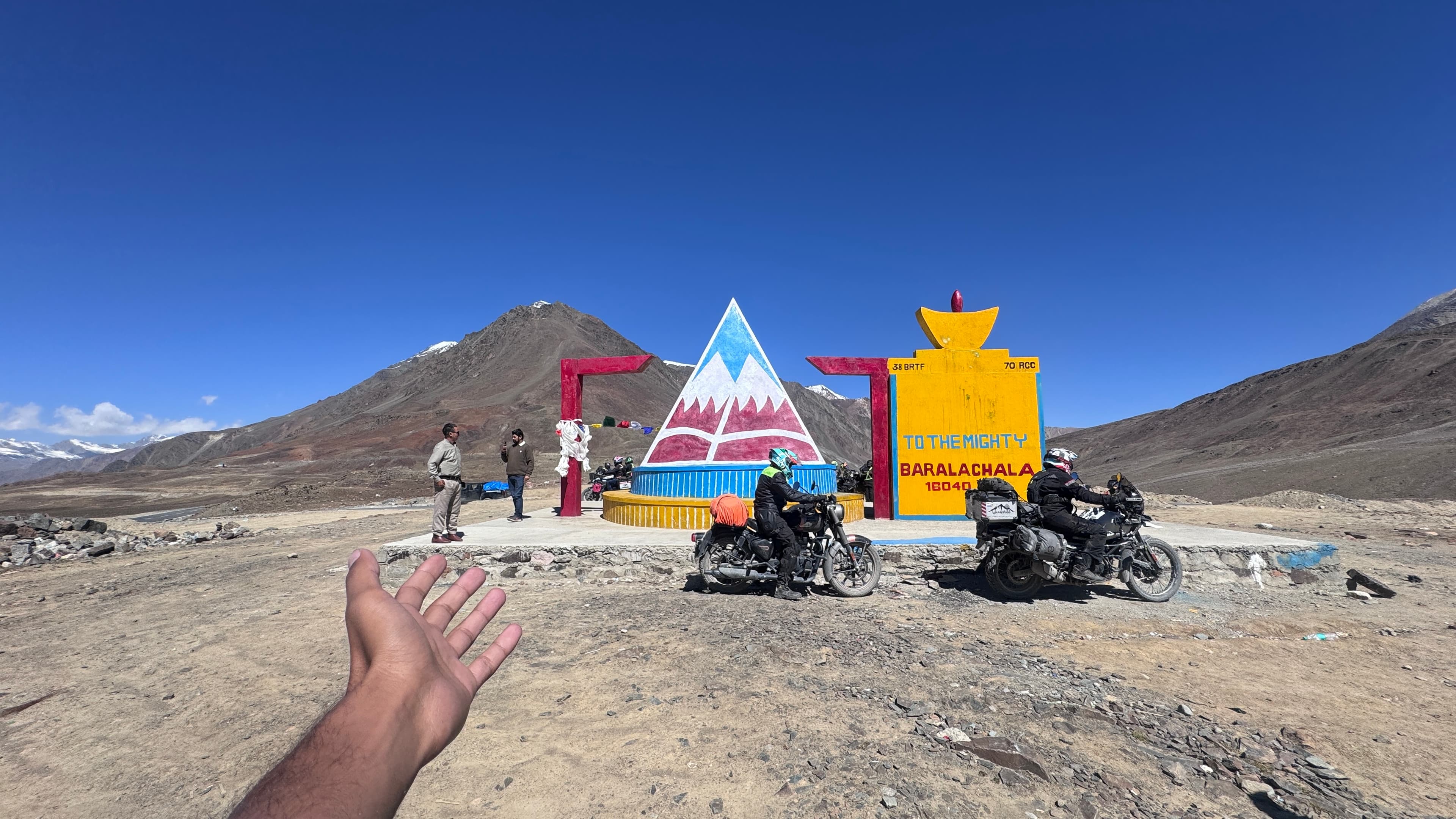
Summer Season (May to September) — The Classic Window
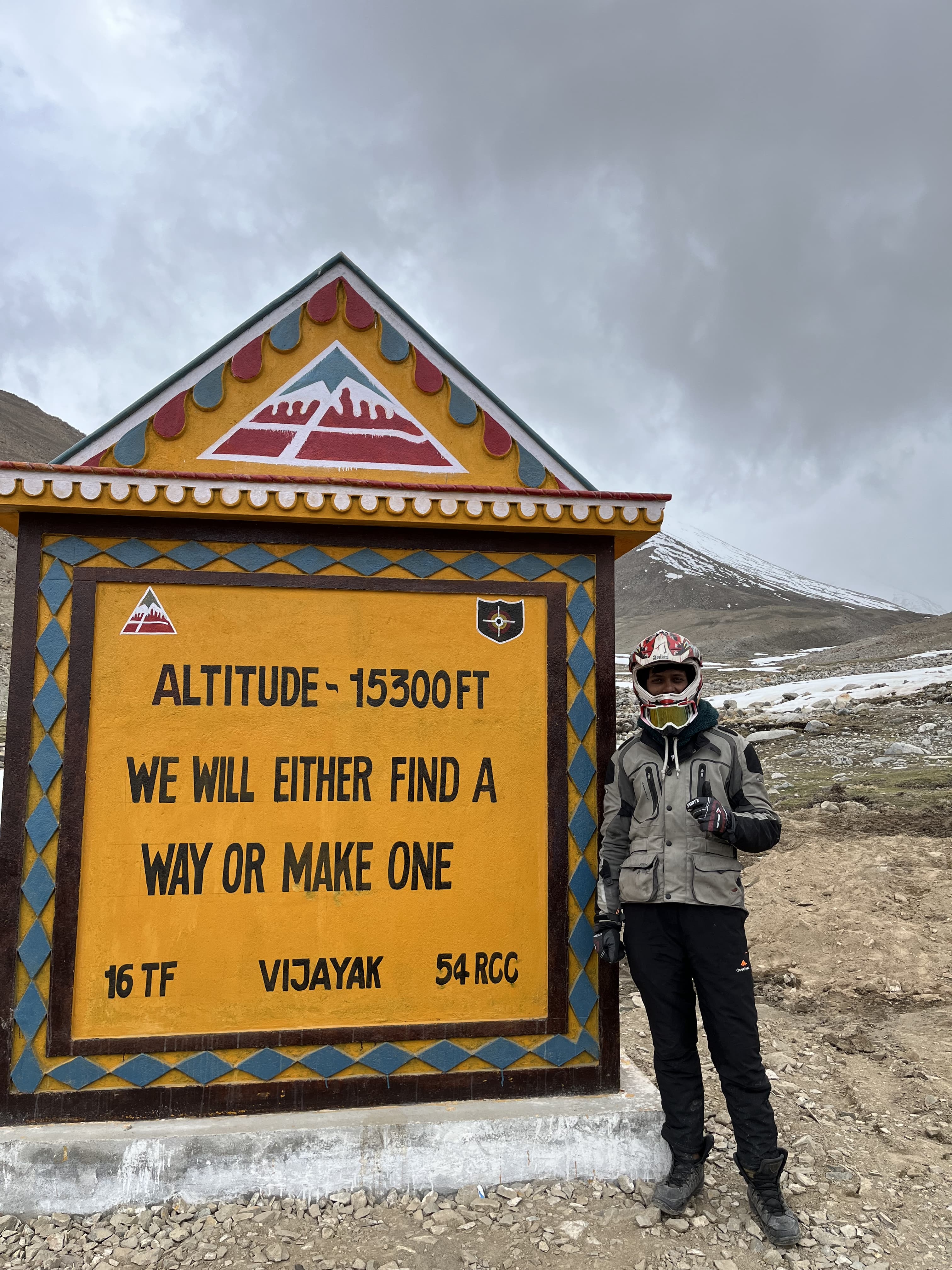
This is the most popular time to visit Spiti. The snow has melted from the roads (mostly), the passes are open, and temperatures are pleasant during the day ranging from 10°C to 25°C. Nights can still be chilly at 0°C to 8°C. Both the Shimla-Kinnaur route and the Manali-Kunzum route are operational, giving you the full Spiti circuit experience.
**Pros:** All roads open, all villages accessible, pleasant riding weather, Chandratal Lake accessible, camping possible. **Cons:** Peak tourist season, slightly higher prices, popular spots can get crowded.
Monsoon Window (July-August) — The Green Surprise
While most of India is drenched in monsoon, Spiti sits in a rain-shadow region and receives very little rainfall. The valleys turn surprisingly green, wildflowers bloom across the barren landscape, and the contrast with the brown mountains is stunning. However, the approach roads through Kinnaur can experience landslides, so flexibility is key.
Post-Monsoon (September) — The Golden Month
September is arguably the best month for Spiti. The monsoon has retreated, skies are crystal clear, the landscape has a golden-brown hue, and tourist numbers have dropped. Day temperatures are comfortable, and the night sky is at its clearest for astrophotography. This is Mountainbea's recommended month for the Summer Spiti Full Circuit.
Winter Season (December to March) — The Frozen Wonderland
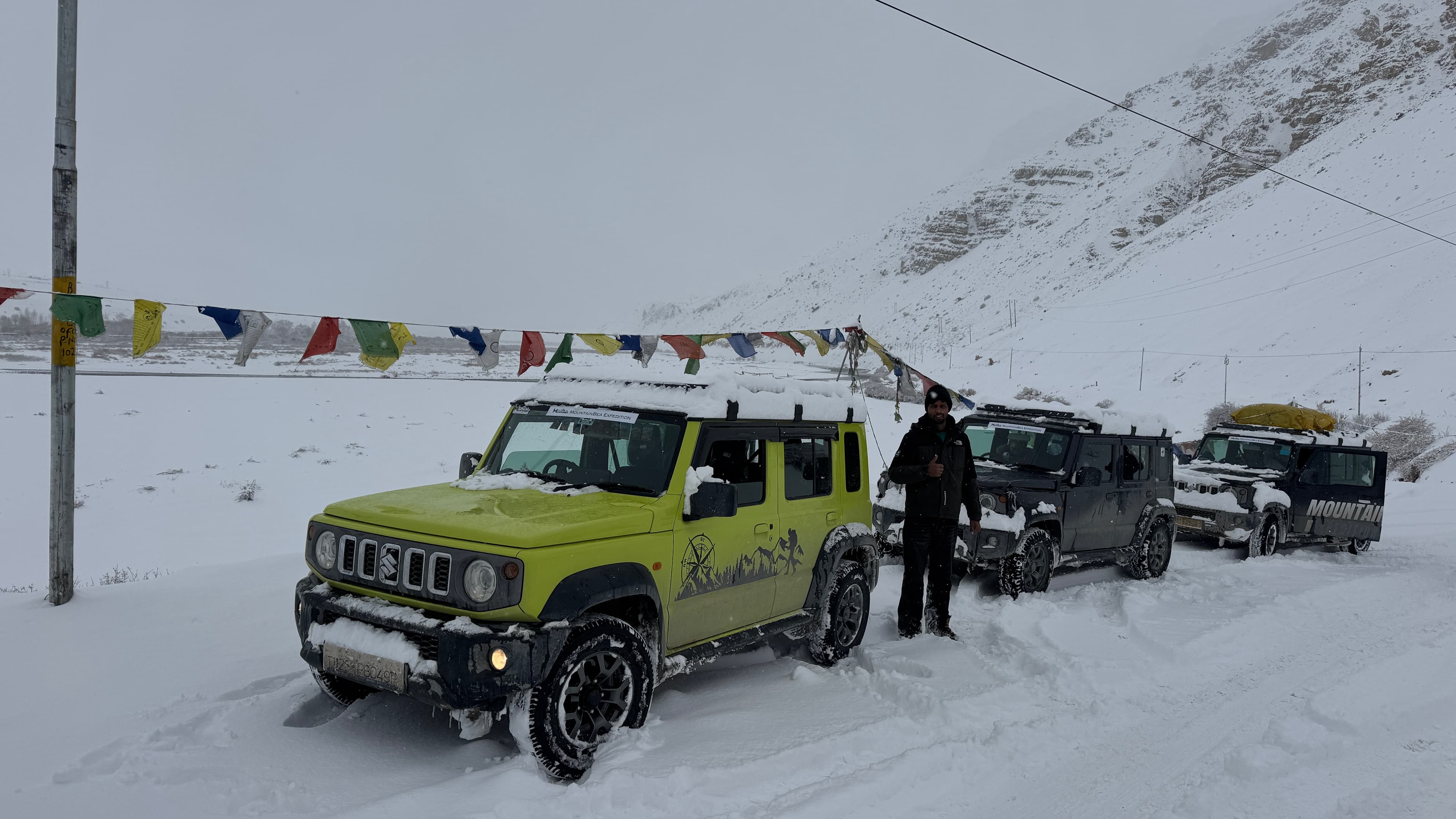
Winter Spiti is an entirely different world. Temperatures plummet to -30°C at night and rarely rise above 0°C during the day. The Kunzum Pass route from Manali is closed, so access is only via the Shimla-Kinnaur highway. The landscape transforms into a pristine white desert. Rivers freeze, waterfalls turn to ice sculptures, and the entire valley goes into hibernation. This is when Mountainbea runs its legendary Winter Spiti SUV expeditions.
**Winter Pros:** Zero tourists, surreal snow landscapes, frozen lakes, Ice Café at Kaza, unique photography opportunities. **Winter Cons:** Extreme cold (-30°C), limited accessibility, some villages unreachable, only SUV expeditions possible.
Which Season Should You Choose?
If you want the classic Spiti experience with all villages and passes accessible, choose June-September. If you want to see Spiti in its most raw, untamed, and breathtakingly beautiful form — and you're up for an extreme adventure — choose Winter (December-February). For the perfect balance of good weather and fewer crowds, September is unbeatable.
At Mountainbea, we run expeditions in all seasons — each one a completely different adventure. Browse our Spiti expeditions to find your perfect match.